Meloxicam
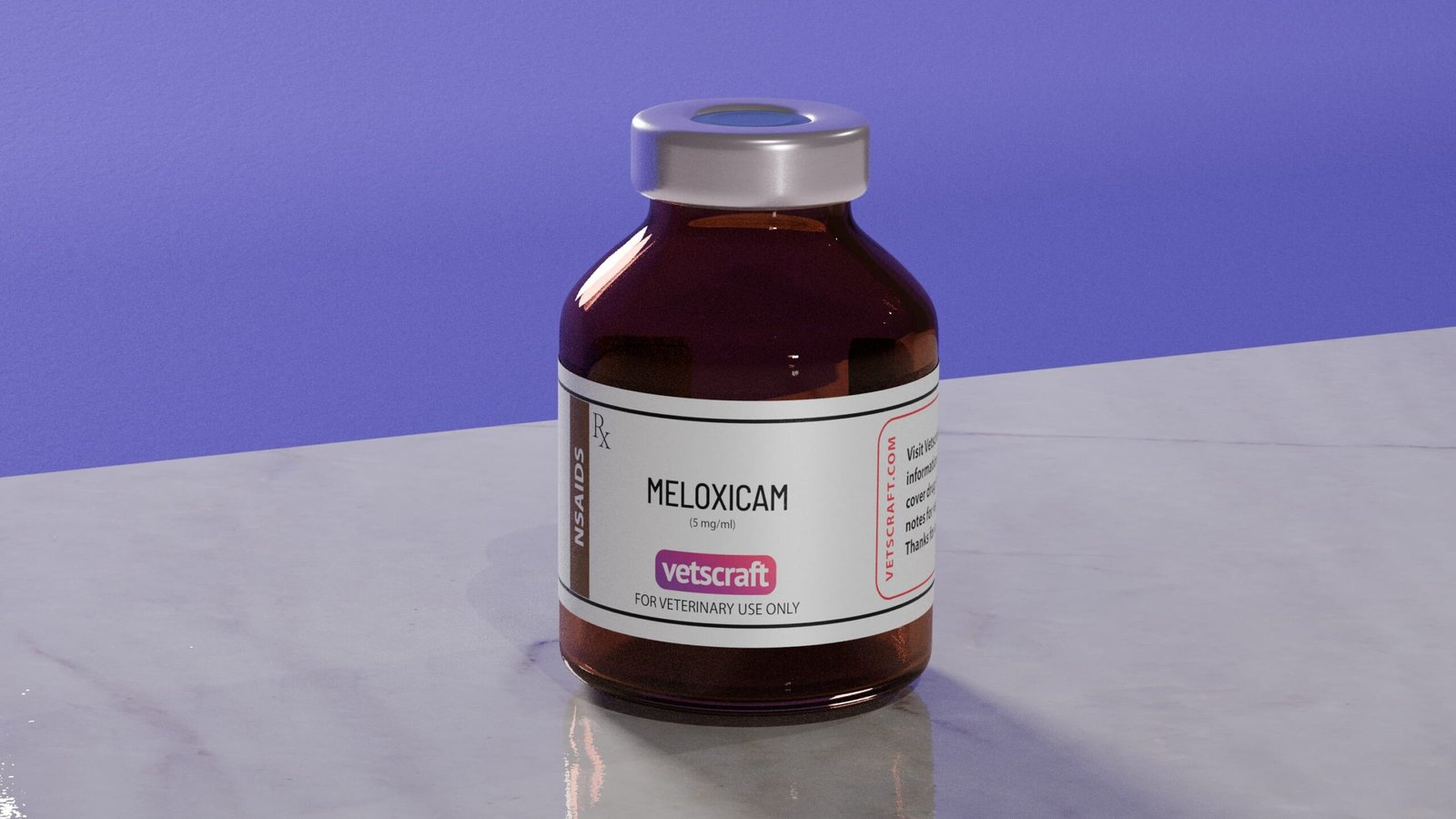
Meloxicam is an NSAID (non-steroidal anti-inflammatory drug) that is widely used in small animals (dogs and cats) as well as in large animals.
Group
Meloxicam belongs to the NSAID (non-steroidal anti-inflammatory drug) class.
Mechanism of Action
Meloxicam preferentially inhibits the COX-2 enzyme while having relatively little inhibitory effect on the COX-1 enzyme. COX-1 is primarily responsible for the synthesis of prostaglandins that help maintain gastrointestinal integrity, renal function, platelet function, and other normal physiological processes. COX-2 is responsible for the synthesis of prostaglandins involved in pain, inflammation, and fever.
However, some overlap exists between COX-1 and COX-2 functions, and COX-2 also plays important physiological roles. Compared with many other NSAIDs, meloxicam is relatively COX-1 sparing.
Dose Rates
- Dog: 0.2-0.3 mg/kg as loading dose and 0.1 mg/kg as maintenance dose q24h IM, SC, IV, PO
- Cat: 0.2 mg/kg as loading dose and 0.05 mg/kg maintenance dose q24h IM, SC, IV, PO
- Horse: 0.6 mg/kg q24h IV, PO
- Sheep and Goats: 1 mg/kg q24h IM, SC, IV, PO
- Cattle: 0.5 mg/kg q24h IV, IM, SQ
- Pig: 0.4 mg/kg q24h IM
Indications
- Pains (Analgesia)
- Inflammation
- Fever
Contraindications
- Meloxicam should not be administered to hypovolemic or dehydrated animals
- Late gestation animal should not use meloxicam
- Animal of less then 6 weeks (42 days) of age should not be given meloxicam
Interactions
- NSAIDs should not be administered concurrently with corticosteroids, as this combination increases the risk of gastrointestinal ulceration.
Adverse effects
- GI ulcers
- Renal toxicity
- Hepatic toxicity
- Coagulopathy
- Hypotension and hypovolemia or dehydration
Toxicity
Meloxicam may become toxic in small animals (dogs and cats) when administered at doses exceeding 1 mg/kg body weight. Treatment is primarily symptomatic and supportive, following standard NSAID toxicity management protocols.
Preparations
- Injectables: 5 mg/mL, 20 mg/mL
- Tablets: 2.5 mg, 7.5 mg, 15 mg
Side effects of NSAIDS
NSAIDs may cause adverse effects such as gastrointestinal ulcers, renal toxicity, hepatotoxicity, coagulopathy, hypotension, and dehydration.
More About Meloxicam for Animals
Meloxicam is one of the most commonly prescribed NSAIDs in veterinary medicine because of its effectiveness in relieving pain, reducing inflammation, and controlling fever.
It is frequently used for managing osteoarthritis, musculoskeletal injuries, soft tissue inflammation, and postoperative pain in both small and large animals.
Since meloxicam is relatively selective for the COX-2 enzyme, it generally has a lower risk of gastrointestinal adverse effects than non-selective NSAIDs. However, it should always be used at the recommended dose and under veterinary supervision, especially in young, elderly, dehydrated, or animals with pre-existing kidney or liver disease.

Information provided here may be subject to inaccuracies. Please consult a reputable textbook for verification before use. We welcome your feedback and suggestions for improvement via email at hello@vetscraft.com